
The Terpene Registry: Unlocking Aroma and Phytochemical Guidance
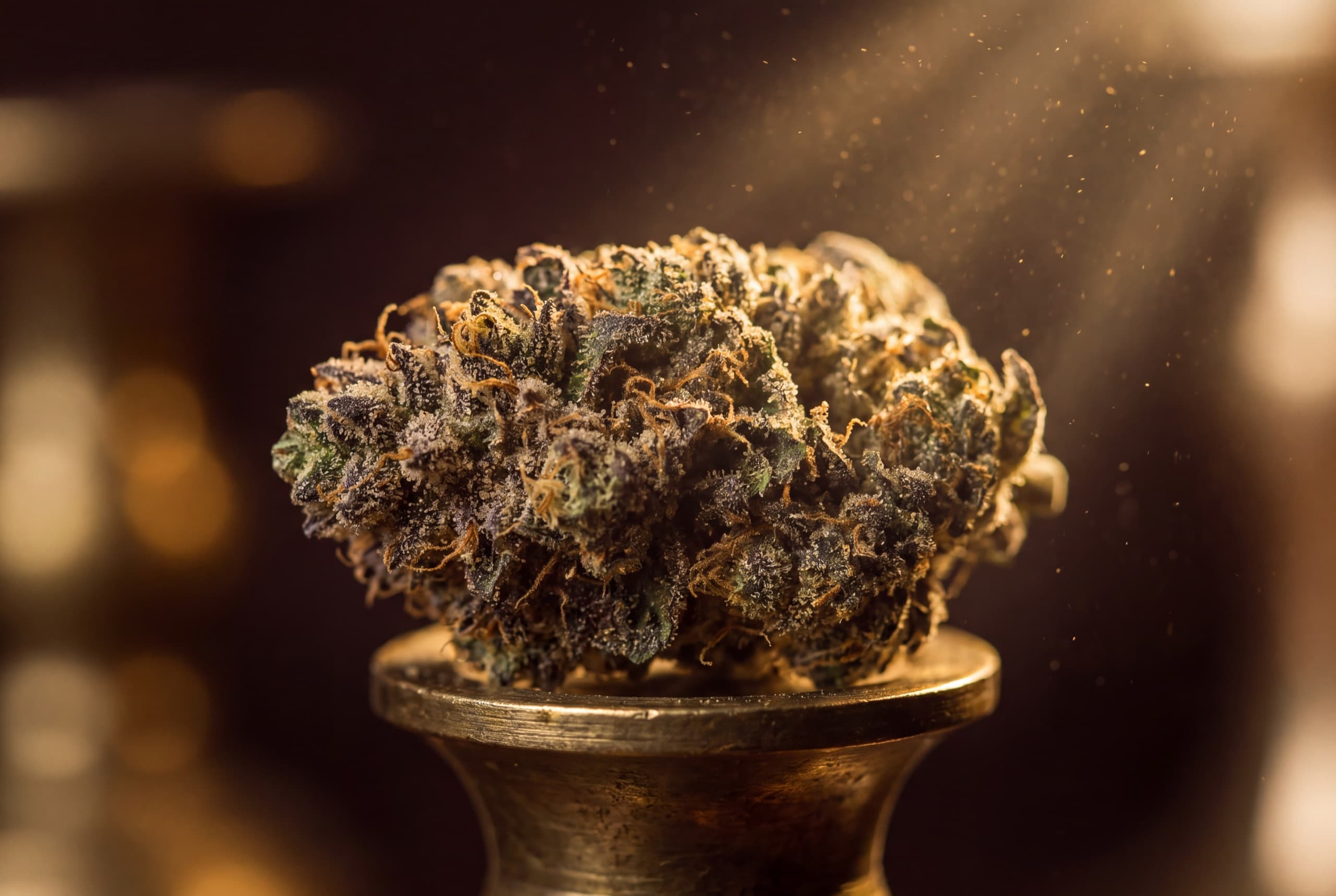
When you open a fresh jar of premium cured flower, you are instantly greeted by a wave of complex aromas: pine forests, crushed lavender, bright citrus, or pungent earth. These spectacular scents are not artificial flavorings; they are produced by terpenes, the organic hydrocarbons produced in the same glittering glands that produce cannabinoids.
Terpenes are found throughout the entire plant kingdom, serving as natural defense mechanisms and evolutionary attractants. In cannabis, terpenes do far more than provide delicious flavor. They are the primary conductors of the "entourage effect," actively shaping how cannabinoids interact with your body's endocannabinoid receptors to guide your physical and mental experience.

Let us examine the most prominent terpenes found in New York craft cultivars. Myrcene, which carries a rich, musky, herbal scent of cloves and earth, is the most common terpene in cannabis. It is highly valued for its calming, deeply relaxing, and muscle-soothing properties, and is found in high concentrations in many popular indica cultivars.
Limonene delivers a bright, refreshing burst of citrus and lemon. It is associated with elevated mood, stress relief, and crisp mental clarity. Cultivars dominant in limonene are favored for daytime creativity, long scenic hikes along the Hudson River, or lively social gatherings.
Caryophyllene is a fascinating compound that carries a spicy, woody scent of black pepper and cedar. It is the only terpene capable of acting directly as a dietary cannabinoid, binding with your CB2 receptors to offer powerful anti-inflammatory and physical soothing properties without causing head-centered psychoactivity.
Pinene brings the clean, crisp aroma of a Catskill pine forest, aiding mental alertness and memory retention. Linalool offers the soothing, floral grace of lavender, celebrated for calming restless minds. By learning to identify these essential terpenes at our interactive counters, you can customize your cannabis experience with exceptional scientific precision.
Beyond the headline five, a handful of other terpenes shape New York cultivars. Humulene, which also gives hops their character, carries an earthy, woody scent and rounds out many savory profiles. Terpinolene brings a bright, fruity-floral complexity found in a number of uplifting sativas, while ocimene adds a sweet, herbal top note. Reading these on a label alongside the aroma in the jar builds a surprisingly reliable picture of a cultivar character.
Terpenes are also delicate. Because they are volatile aromatic oils, heat, light, oxygen, and time all degrade them, which is exactly why storage and freshness matter so much to how a flower actually performs. A cultivar that smelled vivid at harvest can fade toward hay if it is left in a hot, bright place, taking much of its character with it.
This is why we encourage shopping with your nose. The aroma you are drawn to is a direct read on a flower terpene makeup, and a scent that feels genuinely appealing to you is often the one your body responds to best. It is a more personal and more reliable guide than chasing the highest number on the shelf.
These guides are general education, not medical advice. The statements here have not been evaluated by the Food and Drug Administration or the New York Office of Cannabis Management, and these products are not intended to diagnose, treat, cure, or prevent any condition. Please consult a licensed health professional with medical questions. Keep cannabis out of reach of children and pets.